
The "Hope Molecule": A New Perspective on Mental Health and Healing
.jpeg)
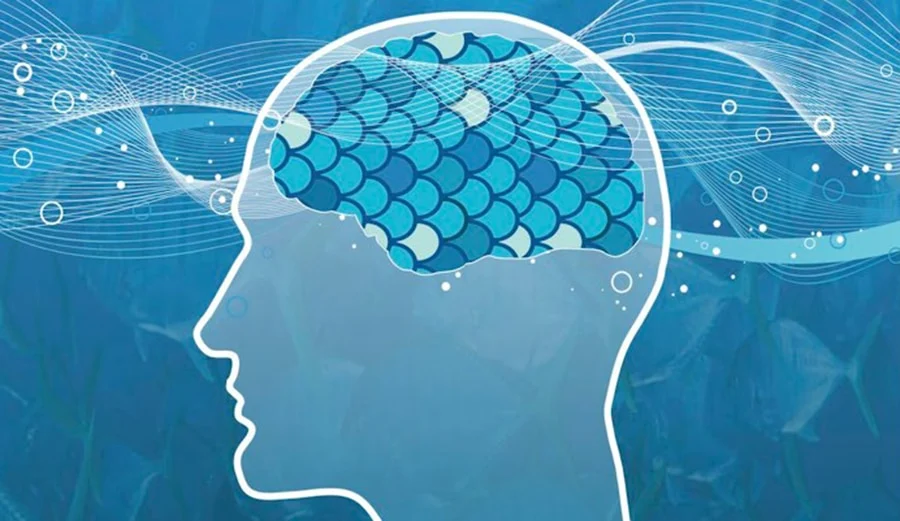
Mental health challenges affect millions of people each year. Whether it's stress, anxiety, depression, burnout, grief, or emotional exhaustion, many individuals are searching for natural and integrative approaches that can complement traditional mental health care.
One concept gaining attention in wellness circles is the idea of the "hope molecule"—a term often used to describe neurotransmitters and biochemical messengers that help regulate mood, motivation, resilience, and emotional well-being.
While there is no single molecule officially named the "hope molecule," experts often associate the term with chemicals such as dopamine, serotonin, oxytocin, and endorphins, all of which play important roles in how we feel, think, and respond to life's challenges.
At Zen Attitude Wellness, we take a whole-person approach to mental health, recognizing that emotional well-being is deeply connected to physical health, nervous system regulation, sleep quality, nutrition, movement, and social connection.
Mary is one of the leading practitioners at Zen Attitude Wellness, supporting patients with integrative, compassionate care focused on restoring balance in both mind and body.
What Is the "Hope Molecule"?
The phrase "hope molecule" became popular through research and wellness discussions surrounding the body's natural neurochemicals that influence optimism, motivation, and emotional resilience.These include:
Dopamine
Often called the motivation neurotransmitter, dopamine is involved in reward, goal-setting, focus, and feelings of accomplishment.
Serotonin
Known for its role in mood regulation, serotonin helps support emotional stability, sleep quality, digestion, and overall well-being.
Oxytocin
Sometimes referred to as the "connection hormone," oxytocin supports trust, bonding, and feelings of safety.
Endorphins
The body's natural pain-relieving chemicals, endorphins can create feelings of relaxation, comfort, and well-being.
Healthy levels of these neurochemicals help us navigate challenges, recover from stress, and maintain emotional balance.
The Mind-Body Connection
Mental health is not simply "all in your head."
Research increasingly demonstrates that the brain, nervous system, immune system, hormones, gut health, and emotional experiences are closely interconnected.
Chronic stress can contribute to:
- Sleep disturbances
- Anxiety symptoms
- Mood changes
- Fatigue
- Increased inflammation
- Hormonal imbalances
- Digestive issues
- Reduced resilience to stress
This is why effective mental health support often requires addressing the entire body—not just the symptoms.
How Acupuncture May Support Mental Health
Acupuncture has been practiced for thousands of years to promote balance throughout the body. Modern research suggests acupuncture may influence multiple physiological systems involved in emotional health.
Potential benefits include:
Supporting Nervous System Regulation
Acupuncture may help shift the body from a chronic "fight-or-flight" state into a more relaxed parasympathetic state, sometimes called the "rest-and-digest" response.
Many patients report feeling calmer, more grounded, and mentally clear following treatment.
Promoting Healthy Neurotransmitter Activity
Studies suggest acupuncture may influence the release and regulation of neurotransmitters associated with mood and emotional well-being, including serotonin, dopamine, and endorphins.
Improving Sleep Quality
Sleep and mental health are closely linked. Better sleep can improve emotional resilience, concentration, mood, and stress management.
Reducing Physical Symptoms of Stress
Stress often manifests physically through:
- Muscle tension
- Headaches
- Digestive discomfort
- Fatigue
- Chronic pain
Addressing these symptoms may help improve overall quality of life and emotional wellness.
Integrative Mental Health Care: A Comprehensive Approach
At Zen Attitude Wellness, we believe mental health support works best when multiple aspects of wellness are addressed.
A comprehensive plan may include:
- Acupuncture
- Naturopathic medicine
- Nutrition counseling
- Stress management strategies
- Sleep optimization
- Exercise recommendations
- Mindfulness practices
- Functional medicine evaluation
- Laboratory testing when appropriate
By supporting the body's natural healing systems, individuals may be better equipped to manage stress and build long-term resilience.
Small Daily Habits That Support Your "Hope Molecules"
Beyond treatment, simple daily practices can help support emotional wellness:
Movement
Regular physical activity can stimulate dopamine and endorphin production.
Quality Sleep
Consistent sleep habits support neurotransmitter balance and cognitive function.
Meaningful Relationships
Positive social interactions can encourage oxytocin release and emotional resilience.
Nutritious Foods
Whole foods rich in vitamins, minerals, and protein provide building blocks for neurotransmitter production.
Mindfulness and Meditation
Even a few minutes daily may help calm the nervous system and improve stress response.
When to Seek Professional Help
While acupuncture can be a valuable part of a wellness plan, it is not a replacement for mental health care when professional support is needed.
If you are experiencing severe depression, thoughts of self-harm, crisis situations, or significant emotional distress, seek immediate assistance from a qualified healthcare professional or emergency services.
Supporting Hope Through Whole-Person Care
Hope is more than a feeling—it reflects the complex interaction of your brain, body, emotions, and environment.
Acupuncture offers a gentle, evidence-informed approach that may help support nervous system regulation, stress reduction, emotional balance, and overall well-being.
At Zen Attitude Wellness, we are committed to helping patients create a foundation for lasting health through integrative, personalized care.
Book Your Session with Mary Today.