
Acupuncture and Neuroplasticity: New Insights Into Brain Recovery

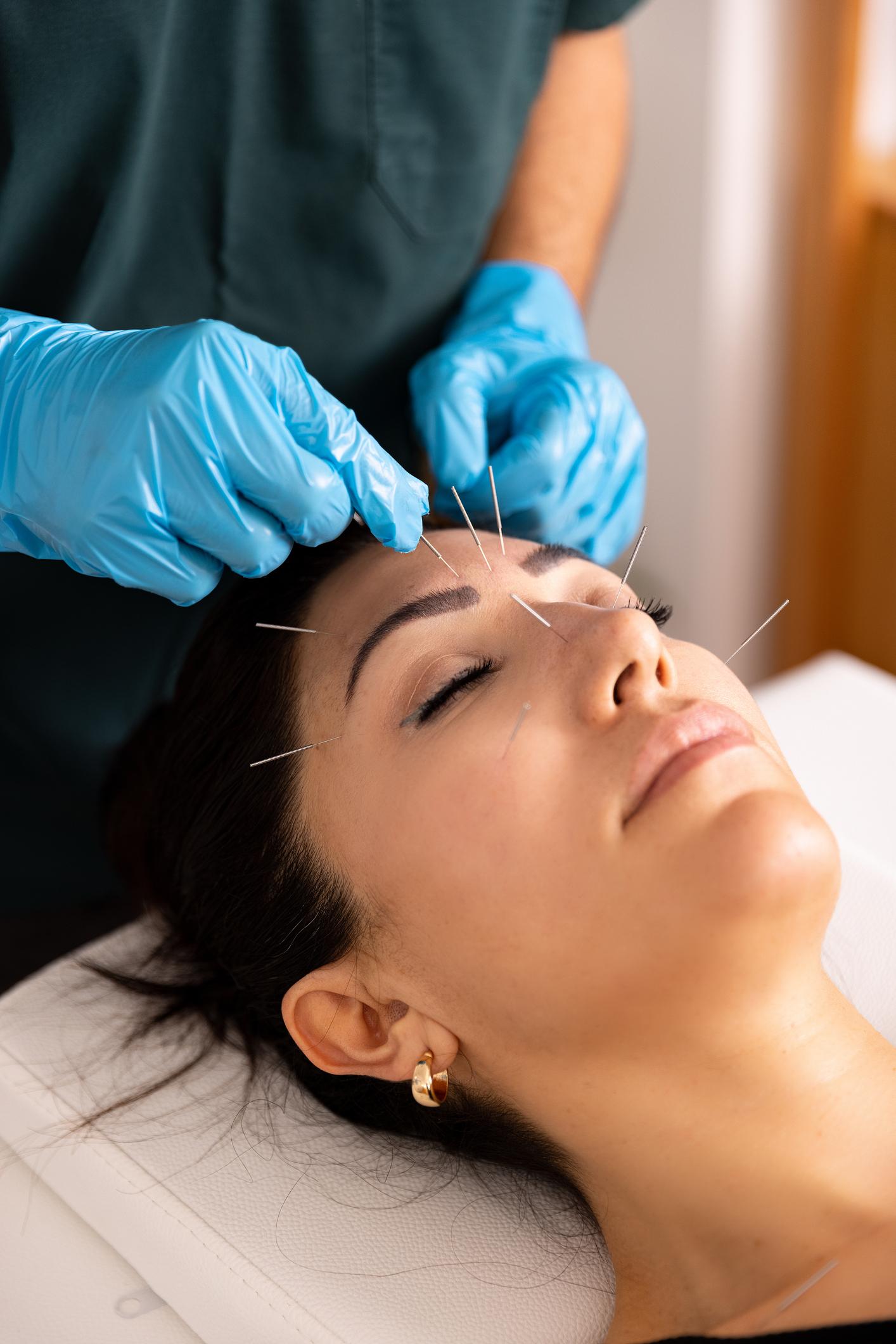
What if acupuncture's potential extends beyond pain relief? Scientists are investigating how this traditional therapy may influence the nervous system and the brain's ability to adapt following injury.
A 2026 study published in CNS Neuroscience & Therapeutics explored the relationship between acupuncture, brain structure, and motor recovery in people recovering from ischemic stroke. Using advanced MRI imaging, researchers identified changes in specific brain regions following a two week intervention.
The findings add to growing scientific interest in neuroplasticity, the brain's ability to reorganize and adapt in response to learning, stimulation, and injury. However, while the results are promising, further research is needed to understand their long term significance.
What Is Neuroplasticity?
Your brain is constantly adapting. Its interconnected networks help control movement, process sensory information, coordinate actions, and support learning.
When a stroke damages brain tissue, communication between these networks can be disrupted. Recovery may involve the brain reorganizing connections and activity across different regions to support improvements in function.
This process is known as neuroplasticity.
Rehabilitation therapies, including physical and occupational therapy, use repeated, purposeful activities to help people regain movement and develop new strategies for everyday tasks.
Researchers are now examining whether acupuncture may influence some of the neurological processes associated with recovery.
What Did the 2026 Acupuncture Study Find?
The study by Yu and colleagues investigated patients with motor impairment following ischemic stroke. Fifty six patients were initially randomized to receive either therapeutic acupuncture or sham acupuncture over two weeks. MRI data from 46 participants were ultimately included in the imaging analysis.
The researchers reported three important findings.
1. Changes in Brain Structure
Participants receiving therapeutic acupuncture showed increases in gray matter volume measurements in several brain regions associated with sensory processing and motor function.
These MRI findings suggest changes in brain structure measurements, but they do not directly prove that new neurons formed or that the changes will persist over time.
2. Improvements in Motor Function
The therapeutic acupuncture group showed improvements in several measures of motor function and neurological impairment.
Some motor outcomes favored therapeutic acupuncture compared with sham acupuncture. However, the study had limitations, including its relatively small sample and the absence of long term follow up.
3. A Possible Connection Between Brain Changes and Recovery
Researchers found associations between changes in certain brain regions and improvements in motor function.
These observations suggest that acupuncture may influence neurological processes involved in post stroke recovery. They do not establish that the observed brain changes directly caused the improvements.
Larger clinical trials are needed to confirm these findings and determine whether the effects translate into lasting functional benefits.
Could Acupuncture Complement Neurological Rehabilitation?
Acupuncture involves stimulating specific points on the body using fine needles. It has been studied for various concerns, including pain management and other symptoms that may affect daily comfort.
Research into neuroplasticity adds another dimension to scientific understanding of how acupuncture may interact with the nervous system.
For people recovering from stroke, acupuncture may be an option to discuss with their healthcare providers as part of a coordinated rehabilitation plan. Its suitability depends on individual circumstances, medical history, and treatment goals.
Acupuncture should not replace prescribed medication, physical therapy, occupational therapy, or other recommended stroke care. People taking blood thinning medications or managing other complications should seek guidance from their healthcare team before beginning treatment.
It is also important to recognize that findings from a stroke study cannot automatically be applied to other neurological conditions or used to promise improvements in memory, concentration, or cognitive health.
What This Research Means for Integrative Wellness
One of the most interesting developments in acupuncture research is the use of modern imaging to investigate physiological changes alongside clinical outcomes.
Rather than focusing exclusively on reported symptoms, researchers can examine how treatment may be associated with changes in brain structure and functional networks.
This approach helps scientists investigate questions about how acupuncture works, which patients might benefit, and whether observed effects continue beyond the treatment period.
The findings do not establish that acupuncture changes everyone's brain in two weeks. Instead, they provide an encouraging direction for further investigation into acupuncture's potential role in neurological rehabilitation.
For patients, the most responsible approach is to remain informed, maintain realistic expectations, and work with qualified healthcare professionals when considering complementary therapies.
Explore Acupuncture Care at Zen Attitude Wellness
At Zen Attitude Wellness, acupuncture is part of an individualized approach to wellness. Care should reflect your health history, symptoms, and personal goals.
Whether you are exploring acupuncture for pain management, physical tension, or general wellness, understanding your options is an important first step.
If you are recovering from a stroke or managing a neurological condition, consult your healthcare team to determine whether acupuncture is appropriate alongside your existing medical and rehabilitation plan.
Schedule Your Visit at a Convenient Location
Choose the Zen Attitude Wellness location that works best for you:
Seattle
Schedule an appointment at our Seattle office to explore available services and discuss your individual wellness goals.
Schedule an Appointment in Seattle
Bellevue
Visit our Bellevue office to learn more about our available services and individualized wellness support.
Schedule an Appointment in Bellevue
Research Reference
Yu X, Zhao N, Liu Y, et al. Neuroplastic Mechanisms of Acupuncture in Post-Stroke Motor Recovery: A Randomized Multimodal MRI Trial. CNS Neuroscience & Therapeutics. 2026;32(6). https://doi.org/10.1002/cns.70955.
This article is for educational purposes only and is not a substitute for professional medical advice, diagnosis, or treatment.