
Waking Up Between 1 and 3 AM? What Traditional Chinese Medicine Says About Sleep

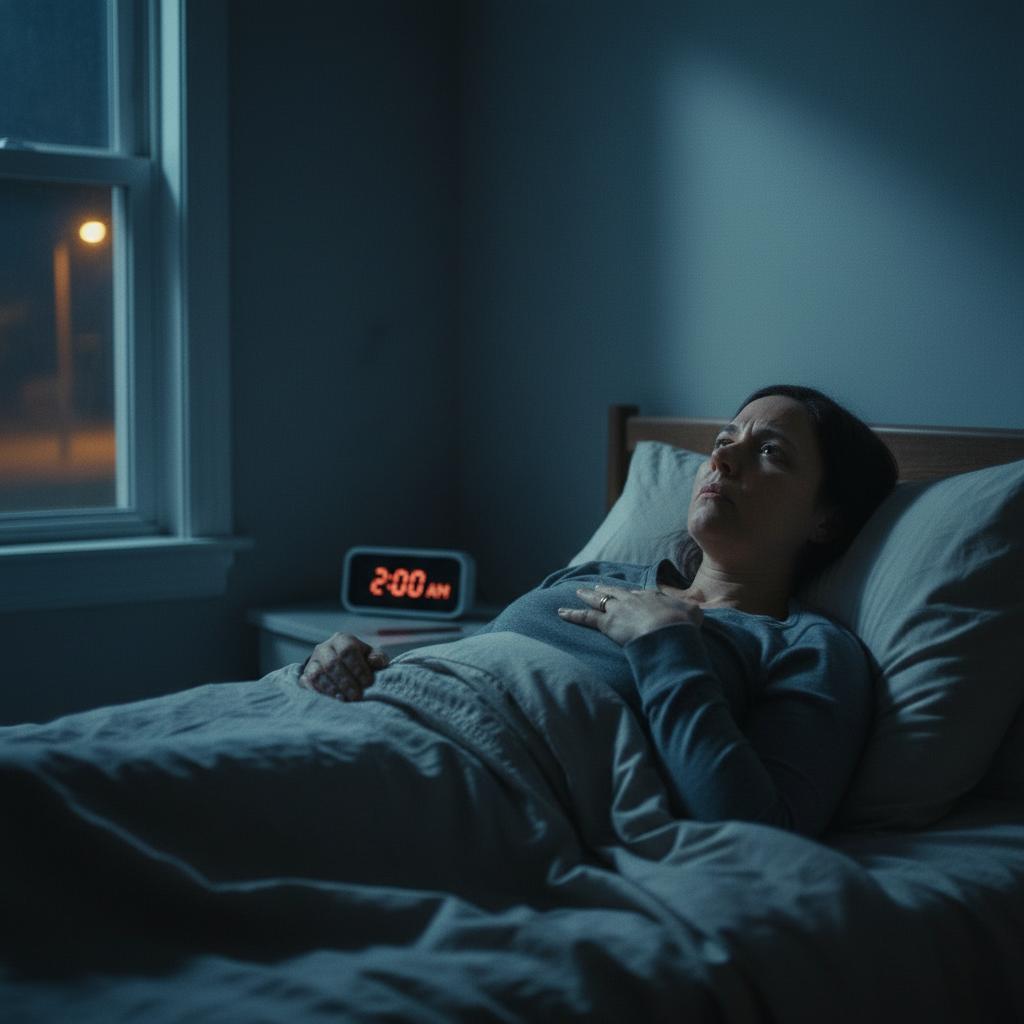
There is something strangely frustrating about waking up at the same time every night.
You check the clock.
1:17 AM.
2:03 AM.
2:47 AM.
Eventually, you start wondering if your body is trying to tell you something.
Traditional Chinese Medicine has a particularly interesting perspective on this pattern.
According to the traditional Chinese Medicine Body Clock, the hours between 1 and 3 AM are associated with the Liver meridian.
But what does that actually mean?
And does waking up during this window mean something is wrong with your liver?
Not necessarily.
The TCM body clock is a traditional framework, not a modern diagnostic tool. However, it can provide an interesting way to think about sleep, stress and the patterns your body may be expressing.
Why 1 to 3 AM?
Traditional Chinese Medicine divides the 24 hour day into twelve two hour periods. Each period is associated with an organ system and its corresponding meridian.
The 1 to 3 AM period is traditionally associated with the Liver.
In TCM, the Liver is not understood simply as the anatomical liver studied in Western medicine.
The traditional Liver system is associated with the smooth flow of Qi, the movement and storage of Blood and the body's ability to maintain physiological and emotional regulation.
That is why a TCM practitioner may consider this time of night meaningful when evaluating someone's overall pattern of sleep disruption.
What Does Waking Up at 2 AM Tell You?
The time itself does not provide a diagnosis.
Instead, it can be one clue.
A practitioner may ask:
Are you under more stress than usual?
Is your mind active when you wake up?
Are you experiencing physical tension?
How is your digestion?
Has your sleep schedule changed?
Are there hormonal or lifestyle changes happening at the same time?
This broader perspective is an important part of Traditional Chinese Medicine.
Rather than treating a single symptom, TCM considers how different aspects of the person may be connected.
Stress, Qi and Nighttime Waking
Stress can have a significant impact on sleep.
Sometimes the problem is not falling asleep.
It is staying asleep.
You may feel completely exhausted when you go to bed, only to wake several hours later with a busy mind or a feeling that your body is suddenly alert.
Within the TCM framework, emotional stress and constrained Qi may be considered when evaluating these patterns.
Acupuncture is traditionally used to support balance and the smooth movement of Qi.
Research into acupuncture and sleep has also explored potential effects on sleep quality and insomnia symptoms, although evidence varies depending on the condition and study design.
The Modern Perspective Matters Too
It is important not to assume that every 1 to 3 AM awakening has a TCM explanation.
Sleep naturally occurs in cycles, and brief awakenings can happen without us remembering them.
Repeated or prolonged awakenings, however, can have many possible causes.
These can include:
• Stress
• Caffeine
• Alcohol
• Environmental disruptions
• Pain
• Medications
• Hormonal changes
• Changes in sleep schedule
• Sleep apnea and other sleep disorders
• Other medical or lifestyle factors
If you consistently wake at night, the most useful question may not be “What does 2 AM mean?”
It may be:
“What else is happening in my body and life right now?”
Start Paying Attention to the Pattern
For the next week, consider keeping a simple sleep journal.
Write down:
Bedtime: When did you go to sleep?
Wake time: When did you wake?
Food and drinks: What did you have in the evening?
Stress: How did your day feel?
Exercise: Did you move your body?
Symptoms: Did you notice tension, discomfort, digestive changes or other symptoms?
Patterns can become much easier to recognize when you see them written down.
Where Acupuncture Fits In
At Zen Attitude Wellness, acupuncture is approached as individualized care rather than a one size fits all treatment.
Your practitioner can look at your sleep concerns alongside other aspects of your health and daily routine.
The goal is not simply to treat the clock time when you wake up.
It is to understand the pattern.
For some people, that may mean exploring stress and nervous system regulation. For others, sleep concerns may be connected with physical discomfort, digestive patterns, hormonal changes or other factors.
Traditional Chinese Medicine provides one framework for exploring these connections while modern healthcare can help identify medical causes that may require additional evaluation.
Your Body May Be Giving You a Pattern, Not a Diagnosis
If you regularly wake between 1 and 3 AM, you do not necessarily have a problem with your liver.
But the recurring pattern may be worth paying attention to.
Traditional Chinese Medicine encourages us to look at the bigger picture: how we sleep, eat, move, experience stress and recover.
Sometimes the most useful place to begin is simply by noticing.
When you wake up tonight, look at the clock. Then ask yourself what else your body has been telling you lately.
Explore Acupuncture at Zen Attitude Wellness
If disrupted sleep has become a recurring concern, schedule an acupuncture appointment with the Zen Attitude Wellness team in Seattle or Bellevue to explore an individualized approach to your wellness and sleep goals.
Persistent insomnia or nighttime waking can also have medical causes. If your symptoms are ongoing or affecting your daytime functioning, discuss them with your healthcare provider.