
When Shingles Pain Persists: What Happens to the Nerves After the Rash Heals?

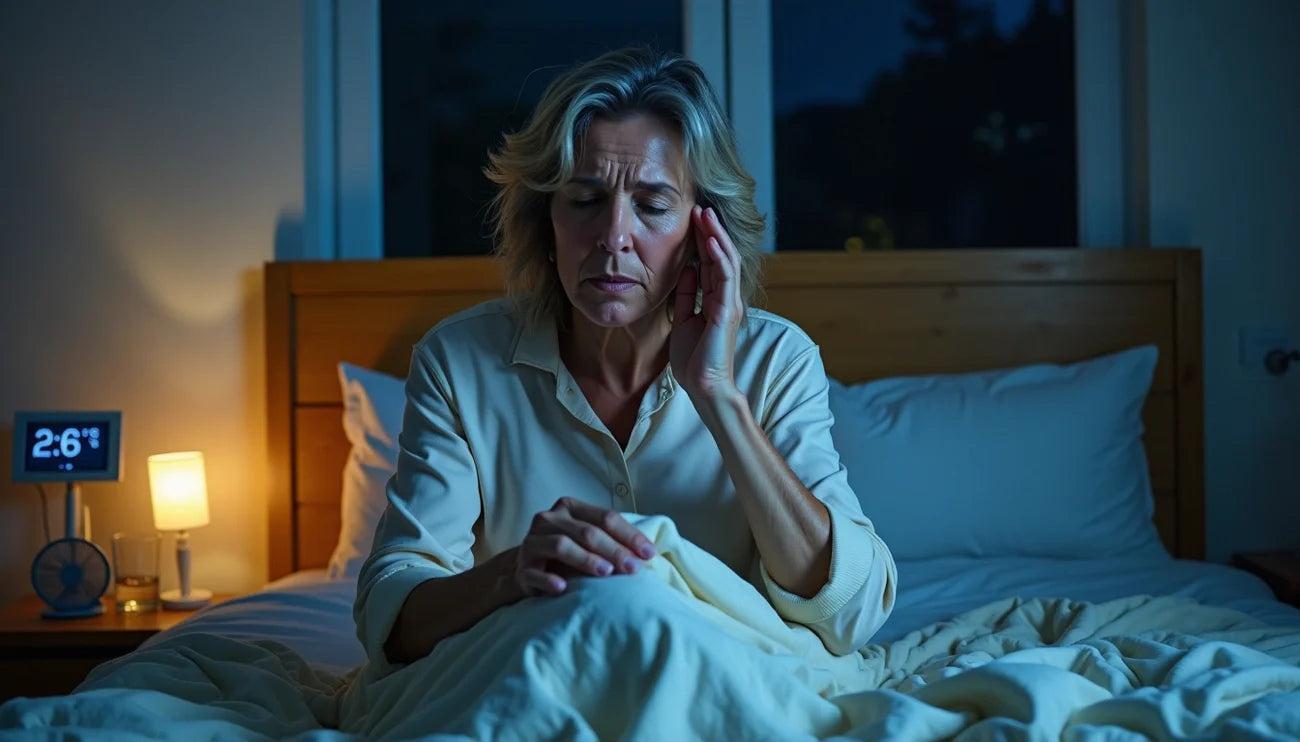
The skin has healed, but the pain has not. Persistent discomfort after shingles may point to ongoing nerve dysfunction, a condition that deserves attention beyond the visible rash.
For some people, shingles is not over when the blisters disappear. Burning sensations, sharp pain, tingling, itching, and sensitivity to light touch can continue for months after the skin has healed.
This persistent discomfort can interfere with sleep, concentration, movement, and daily activities. Understanding why these symptoms occur can help you identify appropriate treatment options and develop a more comprehensive pain management plan.
At Zen Attitude Wellness, we take a whole person approach to acupuncture and wellness care, recognizing that persistent pain can affect multiple aspects of daily functioning.
What Is Postherpetic Neuralgia?
Shingles occurs when the varicella zoster virus, which causes chickenpox, reactivates in the body. The virus affects nerve tissue and can produce a painful, blistering rash, typically limited to one side of the body.
In some individuals, the affected nerves remain irritated or damaged after the rash resolves. When pain persists in the area affected by shingles, the condition may be diagnosed as postherpetic neuralgia (PHN).
PHN is characterized by persistent neuropathic pain, meaning pain associated with injury or dysfunction of the nervous system.
Common symptoms include:
- Burning, stabbing, or electric shock like pain
- Allodynia, in which normally harmless contact, such as clothing touching the skin, causes pain
- Tingling, itching, or altered sensation
- Increased sensitivity to temperature or gentle pressure
- Pain that disrupts sleep, movement, or everyday activities
PHN is more common in older adults, and the likelihood of developing it increases with age. The severity and duration of symptoms vary, so persistent pain should be evaluated individually rather than assumed to follow a predictable course.
Why Can Nerve Pain Continue After the Skin Heals?
The disappearance of a rash does not necessarily mean the affected nerves have recovered.
Shingles can injure sensory nerve fibers and alter how pain signals are transmitted. Changes in the peripheral nerves and the way the central nervous system processes incoming signals may contribute to ongoing pain and heightened sensitivity.
In practical terms, the skin can appear normal even when the nervous system continues to interpret ordinary sensations as painful.
This helps explain why topical skin care alone may not adequately address PHN. Effective management often requires approaches that specifically target neuropathic pain, with treatment selected according to the person's symptoms, medical history, and response to care.
Conventional Treatment Options for Postherpetic Neuralgia
A healthcare professional can assess persistent symptoms and determine which treatments may be appropriate. Common options include:
Medications for nerve pain: Certain medications, including gabapentin or pregabalin, may be prescribed to help manage neuropathic pain.
Topical treatments: Lidocaine patches or other clinician recommended topical options may help reduce localized discomfort in appropriate patients.
Other prescription therapies: Some antidepressant medications are also used to treat neuropathic pain, even when depression is not present.
Individualized pain management: Treatment may involve adjusting medications, addressing sleep disruption, and monitoring how symptoms affect daily functioning.
These treatments do not work equally well for everyone, and potential side effects or contraindications should be discussed with a qualified healthcare professional.
What Does Research Say About Acupuncture for Shingles Related Nerve Pain?
Acupuncture is used in pain management and may be considered as a complementary therapy for selected individuals experiencing persistent pain.
Researchers have investigated acupuncture for postherpetic neuralgia, but the available evidence remains limited. Differences in study quality, treatment protocols, and outcome measurements make it difficult to draw firm conclusions about its effectiveness for this specific condition.
Research into acupuncture for other pain conditions suggests that it may influence pain processing and nervous system activity. However, findings from other conditions cannot automatically be applied to PHN.
For this reason, acupuncture should be viewed as a possible adjunct to established medical care rather than a replacement for treatments supported by stronger clinical evidence.
At Zen Attitude Wellness, acupuncture care can be discussed in the context of your symptoms, functional goals, and existing treatment plan. The aim is to explore whether complementary care is appropriate while maintaining realistic expectations about potential benefits and limitations.
A More Comprehensive Approach to Persistent Pain
Managing postherpetic neuralgia involves more than measuring pain intensity. It can also mean addressing how symptoms affect sleep, activity, emotional well-being, and independence.
A personalized plan may include:
- Medical assessment: Confirming the likely cause of persistent symptoms and identifying other possible sources of pain.
- Targeted pain treatment: Working with your healthcare provider to select and adjust appropriate therapies.
- Sleep support: Addressing nighttime discomfort that contributes to fatigue and reduced functioning.
- Activity adjustments: Finding comfortable ways to maintain daily movement and participation in meaningful activities.
- Complementary approaches: Considering acupuncture as an additional option when appropriate, with progress evaluated according to individual goals.
A useful treatment plan should be reviewed over time. If a therapy does not provide meaningful improvement or creates unwanted effects, your healthcare provider can help determine what adjustments may be needed.
When Should You Seek Medical Evaluation?
Contact a healthcare professional if pain persists after shingles, especially if it interferes with sleep or daily activities. Do not assume that ongoing pain is something you simply have to tolerate.
A new shingles outbreak should be assessed promptly because antiviral medications are most effective when initiated early. A rash involving the eye area, eye pain, or vision changes requires urgent medical attention. Severe headache, confusion, new weakness, or other significant neurological symptoms also warrant urgent evaluation.
Early assessment can help clarify the cause of symptoms and guide appropriate treatment.
Explore Acupuncture as Part of Your Pain Management Plan
Persistent nerve pain after shingles can continue long after the visible infection has resolved. Understanding postherpetic neuralgia, recognizing its effects on daily life, and seeking appropriate care are important steps toward managing the condition.
At Zen Attitude Wellness, acupuncture is one complementary approach you may explore as part of a broader, individualized wellness plan.
Schedule Your Visit at a Convenient Location
Choose the Zen Attitude Wellness location that works best for you:
Seattle
Schedule an appointment at our Seattle office to explore available services and discuss your individual wellness goals.
Schedule an Appointment in Seattle
Bellevue
Visit our Bellevue office to learn more about our available services and individualized wellness support.
Schedule an Appointment in Bellevue
Acupuncture does not replace medical diagnosis or established treatment for postherpetic neuralgia. Individual responses vary, and evidence specific to this condition remains limited.