
Ramsay Hunt Syndrome vs. Bell's Palsy vs. Trigeminal Neuralgia: Understanding the Differences—and Why Acupuncture May Help All Three

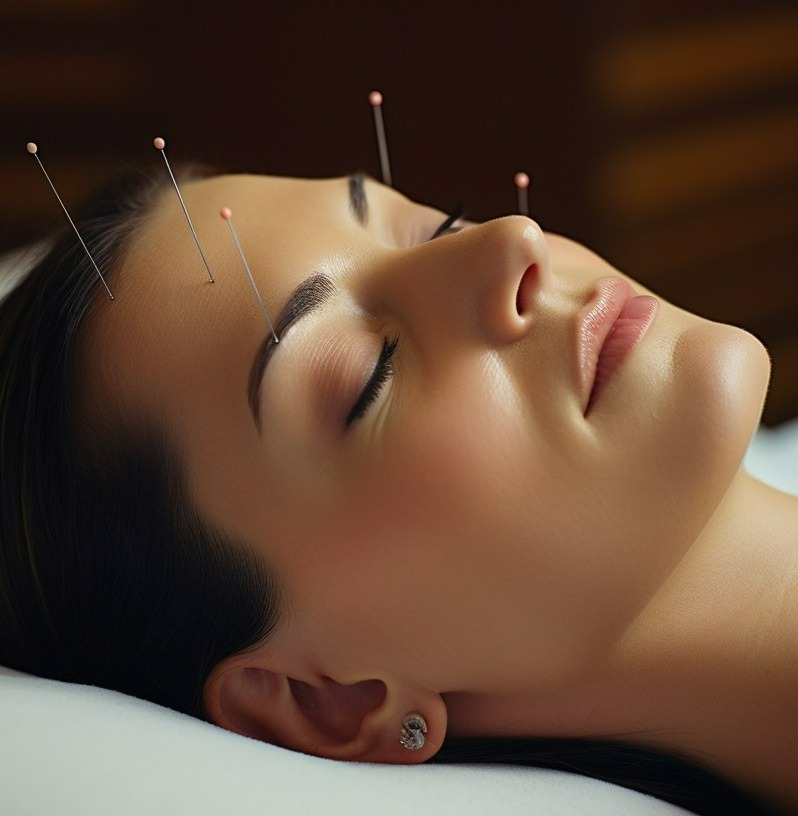
Ramsay Hunt Syndrome vs. Bell's Palsy vs. Trigeminal Neuralgia: What You Need to Know
If you've experienced sudden facial weakness, sharp facial pain, or numbness, you've probably searched online and come across three common diagnoses:
- Ramsay Hunt Syndrome
- Bell's Palsy
- Trigeminal Neuralgia
Although these conditions affect the face and involve the nervous system, they are very different disorders with different causes, symptoms, and treatment approaches.
The encouraging news?
One treatment has shown promise across all three conditions: acupuncture.
At Zen Attitude Wellness, Kanani Valentine works with patients experiencing facial nerve disorders by providing personalized acupuncture treatments designed to reduce pain, decrease inflammation, improve circulation, and support the body's natural healing process.
Understanding Facial Nerves
Your face contains several important nerves that control:
- Facial movement
- Facial sensation
- Taste
- Tear production
- Saliva production
- Hearing balance
When one of these nerves becomes inflamed, compressed, infected, or damaged, symptoms can range from mild discomfort to severe pain or facial paralysis.
What is Bell's Palsy?
Bell's palsy is the sudden weakness or paralysis of one side of the face caused by inflammation of the facial nerve (Cranial Nerve VII).
While the exact cause isn't always known, it is often linked to viral infections such as:
- Herpes simplex virus (HSV-1)
- Influenza
- Respiratory infections
- Immune system activation
Common Symptoms
- Sudden facial drooping
- Difficulty smiling
- Inability to close one eye
- Drooling
- Altered taste
- Increased sensitivity to sound
- Mild pain behind the ear
Symptoms usually develop over 24–72 hours.
Many patients recover within weeks to months, although recovery speed varies depending on the severity of nerve inflammation.
What is Ramsay Hunt Syndrome?
Ramsay Hunt Syndrome is caused by the reactivation of the varicella-zoster virus, the same virus responsible for chickenpox and shingles.
Unlike Bell's palsy, Ramsay Hunt involves both facial nerve paralysis and shingles affecting the ear.
Because the virus directly attacks the facial nerve, symptoms are often more severe.
Common Symptoms
- Facial paralysis
- Severe ear pain
- Painful blistering rash inside or around the ear
- Hearing loss
- Ringing in the ears (tinnitus)
- Vertigo
- Difficulty closing one eye
- Loss of taste
- Dry eyes
Prompt medical treatment with antiviral medication and corticosteroids is essential for improving outcomes.
What is Trigeminal Neuralgia?
Trigeminal neuralgia is considered one of the most painful neurological conditions.
Instead of causing facial weakness, it causes episodes of intense nerve pain involving the trigeminal nerve (Cranial Nerve V), which provides sensation to the face.
The pain has been described as:
- Electric shock
- Stabbing
- Burning
- Lightning-like pain
Episodes may last seconds to minutes and can occur dozens—or even hundreds—of times each day.
Triggers include
- Talking
- Eating
- Brushing teeth
- Smiling
- Washing the face
- Cold wind
- Light touch
Unlike Bell's palsy or Ramsay Hunt Syndrome, facial muscles usually remain strong.
What Do They All Have in Common?
Despite their differences, these conditions share several important features.
They all involve nerve dysfunction
Each condition affects cranial nerves responsible for facial movement, sensation, or both.
They often involve inflammation
Inflammation contributes significantly to nerve irritation and impaired signaling.
Reducing inflammation is an important goal during recovery.
They can significantly impact quality of life
Patients often struggle with:
- Chronic pain
- Difficulty eating
- Sleeping problems
- Anxiety
- Depression
- Social withdrawal
- Reduced confidence
Early treatment matters
Prompt evaluation by a healthcare provider improves outcomes for all three conditions.
Medical evaluation is especially important to rule out stroke or other neurological emergencies when facial symptoms first appear.
The Common Thread: Why Acupuncture May Help
Although acupuncture does not cure the underlying cause of every facial nerve disorder, research suggests it may help support recovery and symptom management in several ways.
1. Promotes Healthy Blood Flow
Acupuncture increases local circulation around affected muscles and nerves.
Improved blood flow delivers oxygen and nutrients that support tissue healing.
2. Supports Nerve Recovery
Emerging studies suggest acupuncture may encourage nerve regeneration and improve communication between damaged nerves and muscles.
This may be especially valuable during recovery from Bell's palsy and Ramsay Hunt Syndrome.
3. Helps Reduce Pain
Acupuncture stimulates the release of the body's natural pain-relieving chemicals, including:
- Endorphins
- Enkephalins
- Serotonin
This may help reduce the intense nerve pain associated with trigeminal neuralgia.
4. Decreases Inflammation
Inflammation plays a major role in many nerve disorders.
Research suggests acupuncture influences inflammatory pathways that may help reduce swelling surrounding affected nerves.
5. Relaxes Tight Facial Muscles
Following facial paralysis, muscles can become stiff or develop abnormal movement patterns.
Acupuncture may help restore muscle balance and improve facial symmetry during rehabilitation.
6. Supports the Nervous System
Pain and facial paralysis can place the nervous system under tremendous stress.
Many patients report improvements in:
- Sleep
- Stress
- Anxiety
- Overall well-being
These changes can contribute positively to recovery.
Integrative Care Works Best
Acupuncture should be viewed as part of a comprehensive treatment plan rather than a replacement for conventional medical care.
Depending on the diagnosis, your provider may recommend:
- Antiviral medications
- Corticosteroids
- Physical therapy
- Facial exercises
- Pain management
- Neurology consultation
- Ophthalmology care for eye protection
- Acupuncture
An integrative approach often offers the best opportunity for recovery and symptom relief.
Why Choose Zen Attitude Wellness?
At Zen Attitude Wellness, Kanani Valentine provides individualized acupuncture treatments designed to support patients with facial nerve disorders and chronic pain conditions.
Every treatment plan is tailored to the individual and may focus on:
- Reducing inflammation
- Supporting nerve healing
- Improving facial muscle function
- Managing chronic facial pain
- Promoting relaxation and nervous system balance
Whether you're recovering from Bell's palsy, managing the lingering effects of Ramsay Hunt Syndrome, or seeking additional relief from trigeminal neuralgia, acupuncture may be an important part of your recovery journey.
Frequently Asked Questions
Can acupuncture help Bell's palsy?
Many patients use acupuncture alongside conventional medical treatment to support nerve recovery, improve facial muscle function, and reduce stiffness. Results vary depending on severity and how soon treatment begins.
Is acupuncture safe for Ramsay Hunt Syndrome?
After evaluation and treatment by a physician, acupuncture may be used as a complementary therapy to help manage pain, improve circulation, and support recovery.
Can acupuncture cure trigeminal neuralgia?
Acupuncture is not considered a cure, but many patients report reduced pain intensity, fewer painful episodes, and improved quality of life as part of an integrative treatment plan.
When should acupuncture begin?
Many practitioners recommend beginning acupuncture as early as appropriate after medical evaluation, as early intervention may support recovery. Always follow your physician's guidance, especially when symptoms first appear.
Final Thoughts
While Bell's palsy, Ramsay Hunt syndrome, and trigeminal neuralgia are distinct conditions, they all involve the complex network of nerves that control facial movement and sensation. Each can cause significant discomfort and disrupt daily life.
One of the strongest connections between these conditions is that acupuncture may help address shared challenges such as nerve irritation, inflammation, pain, muscle dysfunction, and recovery support. When combined with appropriate medical care, acupuncture offers a natural, evidence-informed option that many patients find beneficial on their path to healing.
If you're experiencing facial weakness, facial pain, or lingering nerve symptoms, the team at Zen Attitude Wellness can help you explore whether acupuncture is a suitable part of your personalized care plan.