
Understanding Vesicle Formation After Cupping

A Helpful Guide from Zen Attitude Acupuncture
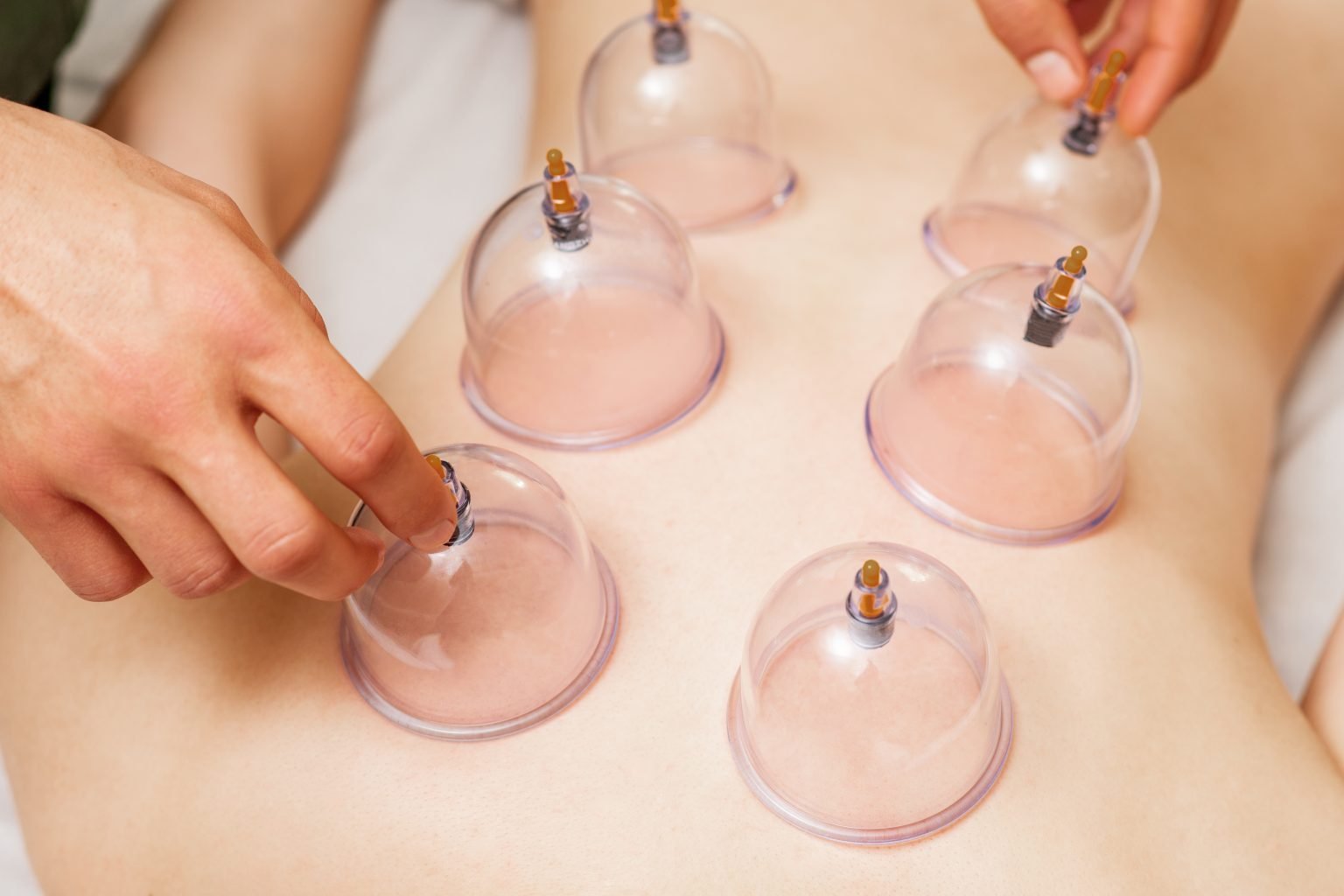
Cupping therapy is known for its ability to ease muscle tension, improve circulation, and support the body’s natural healing. Most people are familiar with the temporary red or purple marks cupping can leave on the skin—but a less common reaction sometimes occurs: small, fluid-filled blisters called vesicles.
While these can look surprising, they are usually harmless, heal naturally, and can be fully managed with proper care. Here’s what you need to know.
What Are Vesicles?
Vesicles are tiny blisters (typically 1–4 mm) that may appear within a few hours or up to a day after a cupping session. They form when fluid collects just beneath the top layer of the skin.
Though uncommon, they are a recognized skin response to suction.
Why Do Vesicles Form?
Biomedical Perspective
When cups create suction on the skin, blood vessels expand and fluid moves toward the surface. If the suction is strong or left for too long, it can create a slight separation in skin layers where fluid accumulates—resulting in a vesicle.
Factors that can increase the likelihood include:
- Strong or prolonged suction
- Sensitive, thin, or delicate skin
- Skin recently irritated by sun, heat, or exfoliation
- Dermatologic conditions like eczema or psoriasis
- Corticosteroid use or decreased skin integrity
TCM Perspective
In Traditional Chinese Medicine, vesicles may be seen as a sign that the body is releasing excess “dampness” or “heat.” Even so, they also indicate that the treatment intensity exceeded what the skin comfortably tolerates—an opportunity to adjust technique.
Is It Dangerous?
Generally, no. Vesicles from cupping are usually:
- Mild
- Temporary
- Non-painful
- Self-resolving within a few days
The main concern is avoiding infection—something easily prevented with simple aftercare.
How to Care for Vesicles
Do:
- Keep the area clean and dry
- Cover lightly if clothing might rub
- Wear loose, breathable fabrics
- Let the vesicles heal naturally
Avoid:
- Popping or draining the blisters
- Applying heavy ointments or oils
- Excessive heat, sweating, or friction on the area
Contact your practitioner if the area becomes increasingly red, warm, painful, or shows signs of infection.
How We Respond at Zen Attitude Acupuncture
If vesicles appear, we will:
- Evaluate your skin’s response
- Adjust suction strength at future visits
- Shorten retention time
- Use more moving-cup techniques
- Choose alternate areas if needed
Our goal is always to match treatment intensity to your body’s unique needs—balancing effectiveness with comfort and safety.
Final Thoughts
Vesicle formation after cupping is uncommon, usually mild, and very manageable. With awareness, proper technique, and simple home care, cupping remains a safe, powerful therapeutic tool.
Zen Attitude Acupuncture is committed to providing informed, mindful treatments that support your whole-body wellness. If you ever notice a skin response you’re unsure about, we’re always here to help.
Bellevue Clinic – Book Your Session
Experience mindful, personalized cupping and acupuncture in a serene Bellevue setting.
👉 Book Now (Bellevue): Click here.
Seattle Clinic – Book Your Session
Receive attentive, therapeutic care in our welcoming Seattle location.
👉 Book Now (Seattle): Click here.